The battery for energy storage systems (ESS) market size is forecast to increase by USD 22.18 billion, at a CAGR of 23.8% between 2024 and 2029.
The market is experiencing significant growth due to the shift towards renewable energy sources, such as solar energy. Moreover, companies are integrating battery storage with electrical substations to improve power grid stability and efficiency. The energy crisis and the need for clean-energy investments have led to a rise in renewable energy generation, resulting in a growing demand for battery storage for peak shaving and self-consumption optimization. Woodside Energy is another notable player investing in solar and battery projects to meet its energy needs. The widening demand-supply disparity, particularly concerning lithium, is a challenge for the industry, but it also presents opportunities for innovation and growth.
What will be the Size of the Market During the Forecast Period?
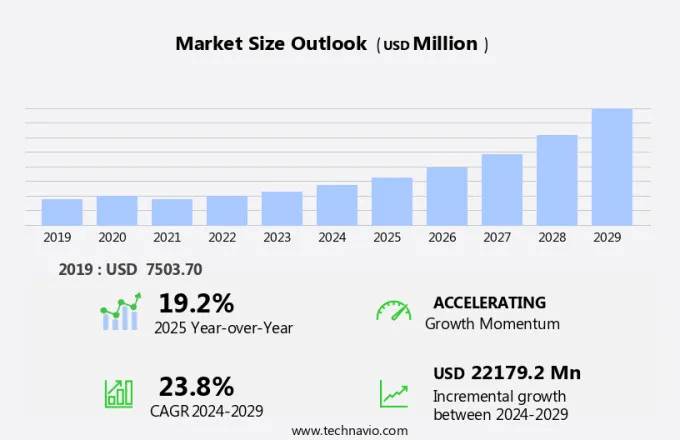
- The market is witnessing significant growth due to the increasing demand for energy storage solutions to support grid modernization initiatives and the integration of renewable energy sources. Grid operators in the region are seeking to enhance the reliability and efficiency of the power grid by integrating BESS to manage electricity consumption and provide backup power during peak hours. Raw materials, such as lithium, cobalt, and copper, play a crucial role in the production of BESS. The prices of these materials have been volatile in recent years, impacting the cost of batteries. However, advancements in battery technology and the increasing investments in clean-energy infrastructure are expected to drive down the costs of BESS in the long term. The residential sector is a growing market for BESS, with many homeowners investing in battery systems for self-consumption optimization and peak shaving. Utility-scale BESS installations are also on the rise, as they provide grid operators with the ability to store excess renewable energy and release it during periods of high demand. The electricity consumption pattern in North America is shifting towards renewable energy sources, and BESS is playing a vital role in ensuring a stable power supply.
- The integration of BESS with renewable energy generation is enabling grid operators to optimize the use of clean energy and reduce the carbon footprint of the power sector. The BESS market in North America is expected to grow at a steady pace in the coming years, driven by the increasing demand for energy storage solutions and investments in renewable energy infrastructure. The market is also witnessing innovation in battery technology, with flow batteries and other advanced storage solutions gaining popularity due to their long cycle life and high energy density. Investments in BESS are expected to continue to grow, as the technology becomes increasingly important for grid modernization and the integration of renewable energy sources. The market is expected to offer significant opportunities for companies involved in the production and deployment of BESS, as well as for those providing maintenance and repair services.
How is this market segmented and which is the largest segment?
The market research report provides comprehensive data (region-wise segment analysis), with forecasts and estimates in "USD million" for the period 2025-2029, as well as historical data from 2019-2023 for the following segments.
Technology
- Lithium-ion batteries
- Flow batteries
- Others
Connectivity
Battery
- Lithium-ion batteries
- Advanced lead-acid batteries
- Flow batteries
- Others
Ownership
- Customer owned
- Third-party owned
- Utility owned
Geography
- APAC: China, Japan, South Korea
- North America: Canada, US
- Europe: Germany, UK, France, Italy
- Middle East and Africa: South Africa
- South America
By Technology Insights
The lithium-ion batteries segment is estimated to witness significant growth during the forecast period.
The lithium-ion battery segment held a substantial share of the global market in 2023, with a strong growth trajectory during the forecast period. Lithium batteries encompass various types, including lithium-ion (Li-ion), Li-ion titanate, lithium iron phosphate, lithium manganese oxide, lithium nickel cobalt aluminum, lithium nickel manganese cobalt, and lithium polymer batteries. Among these, Li-ion batteries dominated the segment in 2023, attributed to their high energy density and impressive energy storage capacity. These batteries are highly sought-after for ESS due to their ability to store large amounts of power efficiently. Telecommunication towers, data centers, uninterruptible power supply systems, and diesel generators are significant applications for ESS.
Arbitrage opportunities and capacity auctions are driving the demand for ESS in various industries such as factories, mining, construction, events, and harsh environments. Excess energy from rooftop solar installations and renewable energy sources can be effectively stored in ESS, reducing reliance on traditional power sources and lowering demand charges. Li-ion BESS products are gaining popularity due to their long cycle life, high power density, and ability to operate in a wide temperature range. The versatility of these batteries makes them suitable for various applications, including stationary and mobile energy storage. The growing need for reliable and sustainable energy storage solutions is expected to fuel the demand for Li-ion batteries in the ESS market.
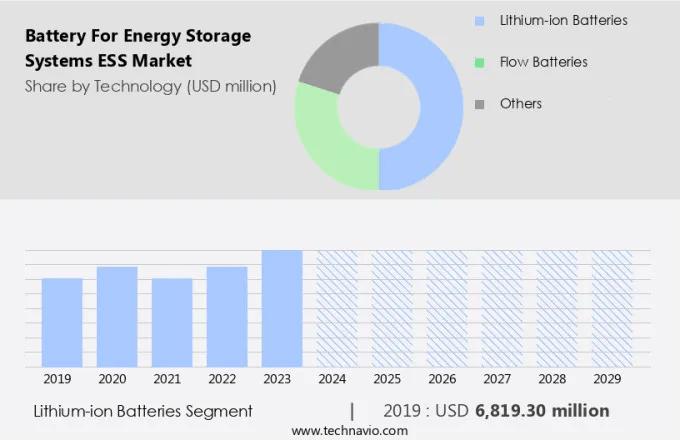
The lithium-ion batteries segment was valued at USD 6.82 billion in 2019 and showed a gradual increase during the forecast period.
Regional Analysis
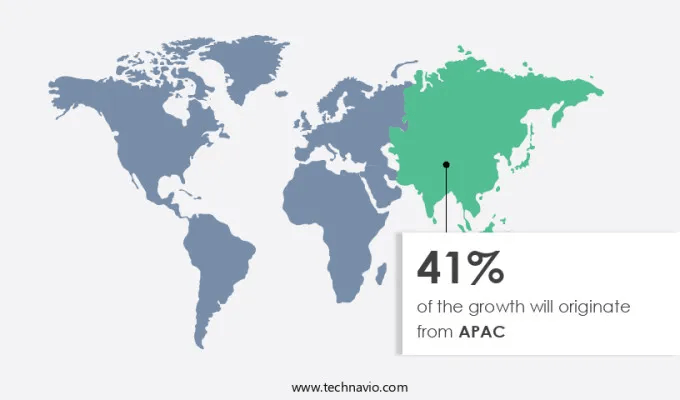
APAC is estimated to contribute 41% to the growth of the global market during the forecast period.
Technavio's analysts have elaborately explained the regional trends and drivers that shape the market during the forecast period.
In the APAC region, South Korea, Japan, and Australia are significant contributors to the battery market for Energy Storage Systems (ESS) in 2023. The ESS battery market in APAC is projected to expand significantly during the forecast period. The escalating population growth and improving living standards in the region have fueled the demand for dependable energy sources to cater to the increasing electricity requirements. With the depletion of conventional energy sources like fossil fuels, there is a growing emphasis on renewable energy sources. Grid modernization initiatives are underway in several countries in the region to integrate renewable energy sources into the power grid. Lithium-ion batteries, flow batteries, and lead-acid batteries are popular choices for ESS due to their energy density, power conversion systems, control systems, and thermal management systems.
Further, grid operators require batteries with high energy density to efficiently store and discharge electricity. Safety measures are crucial in the design and manufacturing of these batteries to ensure their reliable operation. Economies of scale and manufacturing efficiency are essential factors driving the affordability and accessibility of these batteries for grid power. The integration of ESS into the power grid provides a reliable power source, enhancing the overall grid stability and reliability. The market is expected to grow as countries in the region prioritize the transition to renewable energy sources and focus on grid modernization initiatives.
Market Dynamics
Our researchers analyzed the data with 2024 as the base year, along with the key drivers, trends, and challenges. A holistic analysis of drivers will help companies refine their marketing strategies to gain a competitive advantage.
What are the key market drivers leading to the rise in the adoption of the market?
Changing the energy mix from fossil fuels to sustainable and renewable energy resources is the key driver of the market.
- The global energy landscape has undergone a notable transformation, with fossil fuels continuing to dominate but renewable energy sources gaining significant traction. The shift towards sustainable energy resources, such as solar, wind, and biomass, is driven by increasing concerns over greenhouse gas (GHG) emissions and government initiatives promoting their use. Renewables now represent a substantial portion of the global energy mix, with their adoption accelerated by regulatory mandates. In this context, Energy Storage Systems (ESS) play a crucial role in optimizing the usage of alternative energy sources. Maintenance activities for ESS are essential to ensure their optimal performance and extended lifespan, especially in harsh environmental conditions.
- Local service providers are indispensable in providing spare parts and expertise for these systems. Utility-scale applications, including above 500 MWh capacity, are the largest shareholders in the ESS market. These systems convert input energy sources into electrical energy for power grid stabilization and utility sector needs. The energy conversion rate and cycle life of ESS are critical factors determining their cost-effectiveness and overall efficiency. Maintaining power quality is another essential aspect of ESS, ensuring a stable and consistent electricity supply. In the US, ESS is increasingly being adopted for various applications, including renewable energy integration, grid stabilization, and backup power solutions.
What are the market trends shaping the market?
Increased adoption of microgrids is the upcoming trend in the market.
- Microgrids, which consist of small-scale electricity grids with integrated generation and storage resources, are gaining popularity as they offer energy independence and reduced reliance on traditional power grids. These systems can function autonomously or collaborate with other small grids, operating in grid-connected or island modes. In the event of power grid failures or intentional disconnection, microgrids transition to island mode. Renewable energy sources, such as solar and wind power, are increasingly being integrated into microgrids to minimize the use of fossil fuels.
- Autobidder, a software solution, optimizes energy trading and self-consumption in this microgrid. Similarly, Japan's O-Uchi Kyuden System integrates solar panels, batteries, and smart inverters to manage power generation and consumption. Microgrids can provide peak shaving and self-consumption optimization, ensuring efficient energy usage and grid stability. As clean-energy investments continue to rise, the role of microgrids in managing renewable-energy generation and power grids becomes increasingly significant.
What challenges does the market face during its growth?
Widening demand-supply disparity with regard to lithium is a key challenge affecting the market growth.
- Lithium-ion batteries have seen a significant shift in application from consumer electronics to energy storage systems (ESS) over the past few years. In 2023, lithium-based batteries accounted for over 75% of the global electrochemical energy storage market. The transportation sector has been a major contributor to this trend, with the increasing demand for larger batteries and stationary storage in electric vehicles (EVs). The preference for lithium-ion batteries in EVs is due to their superior energy and power density, safety, cost efficiency, and longer battery cycle life. This growing adoption in EVs, in addition to their use in consumer electronics like laptops and smartphones, has led to an escalating demand for lithium-based batteries.
- Renewable energy infrastructure, electricity consumption, and increasing disposable incomes are key drivers for this market growth. The work-from-home trend and power outages have also created incentives for distributed energy resources and renewable power sources, further fueling the demand for energy storage systems. Investments in renewable energy and government incentive programs are expected to continue supporting the expansion of the energy storage market.
Exclusive Customer Landscape
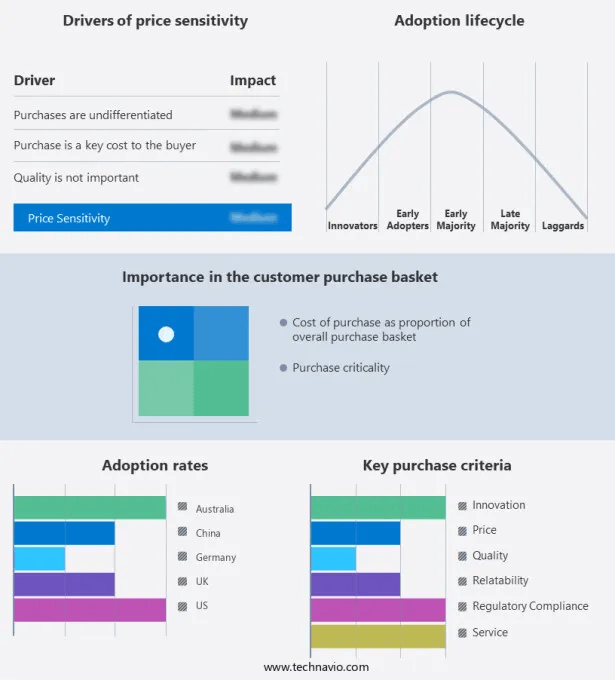
The market forecasting report includes the adoption lifecycle of the market, covering from the innovator's stage to the laggard's stage. It focuses on adoption rates in different regions based on penetration. Furthermore, the market report also includes key purchase criteria and drivers of price sensitivity to help companies evaluate and develop their market growth analysis strategies.
Recent Developments
- January 2025: The global energy storage market saw innovation with the launch of solid-state batteries for energy storage by companies like QuantumScape. These batteries offer higher energy density and greater safety compared to traditional lithium-ion batteries, driving further adoption in renewable energy storage solutions.
- December 2024: A strategic partnership was formed between a leading battery manufacturer and a renewable energy provider to co-develop large-scale energy storage solutions for solar power farms. This partnership focuses on enhancing grid stability and reducing energy wastage through more efficient storage systems.
- November 2024: The market experienced a surge in demand following the acquisition of a major energy storage company by an electric vehicle manufacturer. The acquisition strengthens the manufacturer's position in the battery supply chain and allows them to extend their energy storage capabilities for both automotive and grid applications.
- October 2024: As demand for green energy solutions increases, new battery recycling technologies were introduced, aimed at reducing the environmental impact of used batteries. Companies in the energy storage sector, such as Tesla and LG Chem, are investing in closed-loop recycling systems to ensure sustainability in energy storage solutions.
