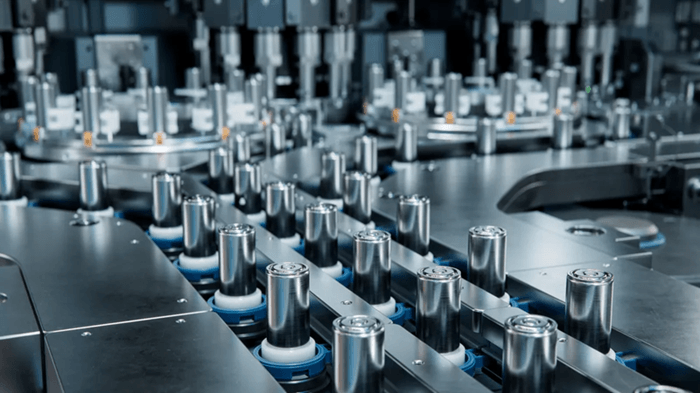
The battery technology landscape is profoundly transforming as the industry shifts from conventional lithium-ion solutions to advanced chemistries and beyond-lithium alternatives. While lithium-ion (Li-ion) technology currently dominates the global battery market with over 99% market share, emerging technologies are poised to capture approximately >25% of the market by 2035. This report provides an in-depth analysis of both advanced Li-ion batteries and beyond-lithium technologies that will revolutionize energy storage across multiple applications from 2025 to 2035.
Report contents
- Battery demand in GWh by technology type (2025-2035)
- Market valuation in billions of dollars
- Application-specific adoption curves
- Regional market development
- Material consumption trends for advanced anodes and cathodes
- Analysis of Next-Generation Lithium-Ion Technologies:
- Silicon and silicon-carbon composite anodes
- High and ultra-high nickel cathode materials
- Single crystal cathodes
- Lithium-manganese-rich (LMR-NMC) formulations
- Advanced electrolyte systems
- Lithium manganese iron phosphate (LMFP)
- Beyond-Lithium Solutions:
- Semi-solid-state and solid-state batteries
- Sodium-ion and sodium-sulfur systems
- Lithium-sulfur batteries
- Lithium-metal and anode-less designs
- Zinc-based technologies
- Redox flow batteries
- Aluminum-ion batteries
- Specialized Form Factors:
- Flexible batteries
- Transparent energy storage
- Degradable batteries
- Printed and 3D-printed solutions
- Application Market analysis:
- Electric VehicleEcosystem:
- Passenger electric vehicles (BEV/PHEV)
- Electric buses, trucks, and commercial vehicles
- Micro-mobility solutions
- Off-road applications, including construction and marine
- Battery sizing requirements by vehicle type
- Grid Energy Storage:
- Large-scale installations
- Behind-the-meter commercial systems
- Residential storage solutions
- Consumer Electronics:
- Next-generation devices
- Wearable technology
- Portable power applications
- Supply Chain and Manufacturing Analysis
- Advanced cathode production methods
- Silicon anode manufacturing processes
- Solid-state battery production techniques
- Recycling technologies for lithium-ion and beyond-lithium batteries
- Raw material requirements and supply chain considerations
- The integration of AI in battery development and production
- Technology readiness assessments and commercialization timelines
- Application-specific battery selection frameworks
- Regional competitive advantages in battery innovation
- Material intensity and sustainability considerations
- Emerging use cases for specialized battery technologies
- Competitive Landscape: The report profiles over 350 companies across the battery value chain, from established manufacturers to innovative start-ups, with detailed analysis of their technology positioning, production capabilities, and strategic partnerships.
1 RESEARCH METHODOLOGY
2 EXECUTIVE SUMMARY
3 LI-ION BATTERIES
4 LITHIUM-METAL BATTERIES
5 LITHIUM-SULFUR BATTERIES
6 LITHIUM TITANATE OXIDE (LTO) AND NIOBATE BATTERIES
7 SODIUM-ION (NA-ION) BATTERIES
8 SODIUM-SULFUR BATTERIES
9 ALUMINIUM-ION BATTERIES
10 SOLID STATE BATTERIES
11 FLEXIBLE BATTERIES
12 TRANSPARENT BATTERIES
13 DEGRADABLE BATTERIES
14 PRINTED BATTERIES
15 REDOX FLOW BATTERIES
16 ZN-BASED BATTERIES
17 AI BATTERY TECHNOLOGY
18 PRINTED SUPERCAPACITORS
19 COMPANY PROFILES (376 company profiles)
20 REFERENCES
LIST OF TABLES
LIST OF FIGURES
