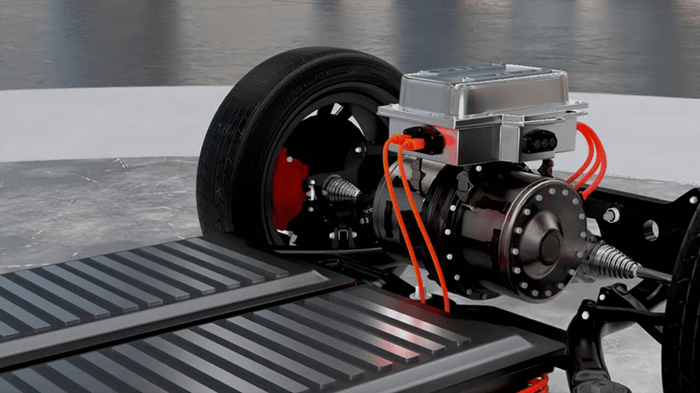
The electric vehicle high-voltage traction inverter market is positioned for significant evolution as advancements in materials, power electronics, and regulatory frameworks redefine power delivery systems for next-generation mobility. As key technologies mature, traction inverter solutions are setting new performance standards, affecting automaker strategies, and influencing supply chain decisions at a global scale.
Market Snapshot
The high-voltage traction inverter segment is experiencing strong growth, reflecting rising electric vehicle adoption across passenger, commercial, and off-highway applications. Market momentum is driven by the integration of advanced silicon carbide and gallium nitride semiconductors, increased focus on energy efficiency, and new regulations incentivizing localized production. Preference for higher voltage architectures and resilient thermal management is shaping inverter design priorities for both established OEMs and emerging market entrants, while regional factors continue to influence demand profiles and supply chain structures.
Scope & Segmentation
This report covers a detailed analysis of the electric vehicle high-voltage traction inverter market, focusing on the following key segmentation areas and geographies relevant to senior decision-makers:
- Vehicle Type: Commercial vehicles (heavy and light categories), off-highway vehicles (agriculture, construction, mining), and passenger cars (hatchbacks, sedans, SUVs).
- Vehicle Propulsion: Battery electric, hybrid electric, and plug-in hybrid vehicle systems.
- Voltage Class: 400V and 800V architectures supporting various operational and charging requirements.
- Power Rating: Up to 50 kW, 50 to 100 kW, and above 100 kW, tailored to meet specific performance needs.
- Cooling System: Air and liquid cooling strategies designed for application and durability demands.
- Topology: Two-level, three-level, and multi-level converter options for different vehicle classes.
- Semiconductor Material: Silicon, silicon carbide, and gallium nitride; each offers distinct advantages in resilience and switching speed.
- End User: OEM and aftermarket channels shaping procurement and lifecycle strategies.
- Geographic Scope: Americas (including U.S. states, Canada, Mexico, Brazil, Argentina), Europe/Middle East/Africa (major markets plus emerging regions), Asia-Pacific (China, India, Japan, South Korea, and others).
- Leading Companies: DENSO CORPORATION, MITSUBISHI ELECTRIC CORPORATION, Robert Bosch GmbH, Siemens AG, Hitachi Astemo Ltd., Continental AG, Hyundai Mobis Co. Ltd., Valeo Siemens eAutomotive GmbH, BorgWarner Inc., and Nidec Corporation.
Key Takeaways
- Wide bandgap technologies, especially silicon carbide and gallium nitride, are enabling higher switching frequencies, better thermal tolerance, and more compact inverter designs, leading to improved vehicle range and efficiency.
- Adoption of 800-volt system architectures is gaining traction in performance models and in markets where rapid charging infrastructure is expanding, prompting new safety and engineering considerations for OEMs.
- Innovative cooling systems and digital control algorithms, including AI-driven predictive diagnostics, are elevating reliability and reducing lifecycle costs across commercial, passenger, and off-highway segments.
- Market differentiation is increasingly defined by product modularity, integration depth, and the ability to service diverse vehicle types, from urban commuters to industrial equipment.
- Strategic partnerships and acquisitions are accelerating development cycles and fostering specialist expertise, allowing industry leaders to align inverter designs more closely with evolving application needs.
Tariff Impact
The 2025 introduction of new U.S. tariffs on imported power electronics components has raised landed costs for key inverter inputs. Manufacturers are responding by diversifying supply chains, establishing regional production agreements, and adopting modular designs to ease component substitution. These measures are designed to balance operational agility with the need for continued access to advanced semiconductor technologies, especially in the context of global trade uncertainties.
Methodology & Data Sources
Findings are based on comprehensive secondary research—including industry journals, patent records, and regulatory filings—supplemented by interviews with engineers, executives, and key supply chain participants. Data triangulation and segmentation analysis ensure accuracy and relevance for strategic planning.
Why This Report Matters
- Actionable benchmarking and segmentation insights supporting product development and procurement strategy across major vehicle categories and regions.
- Practical guidance on navigating complex supply chain, technology adoption, and trade policy shifts affecting traction inverter deployment.
Conclusion
Electric vehicle high-voltage traction inverter markets are shaped by material innovation, shifting regulatory landscapes, and evolving supply chain dynamics. This report enables decision-makers to anticipate challenges and leverage emerging opportunities in power electronics.
1. Preface
2. Research Methodology
3. Executive Summary
4. Market Overview
5. Market Dynamics
6. Market Insights
7. Cumulative Impact of United States Tariffs 2025
8. Electric Vehicle High-voltage Traction Inverter Market, by Vehicle Type
9. Electric Vehicle High-voltage Traction Inverter Market, by Vehicle Propulsion
10. Electric Vehicle High-voltage Traction Inverter Market, by Voltage Class
11. Electric Vehicle High-voltage Traction Inverter Market, by Power Rating
12. Electric Vehicle High-voltage Traction Inverter Market, by Cooling System
13. Electric Vehicle High-voltage Traction Inverter Market, by Topology
14. Electric Vehicle High-voltage Traction Inverter Market, by Semiconductor Material
15. Electric Vehicle High-voltage Traction Inverter Market, by End User
16. Americas Electric Vehicle High-voltage Traction Inverter Market
17. Europe, Middle East & Africa Electric Vehicle High-voltage Traction Inverter Market
18. Asia-Pacific Electric Vehicle High-voltage Traction Inverter Market
19. Competitive Landscape
20. ResearchAI
21. ResearchStatistics
22. ResearchContacts
23. ResearchArticles
24. Appendix
List of Figures
List of Tables
